
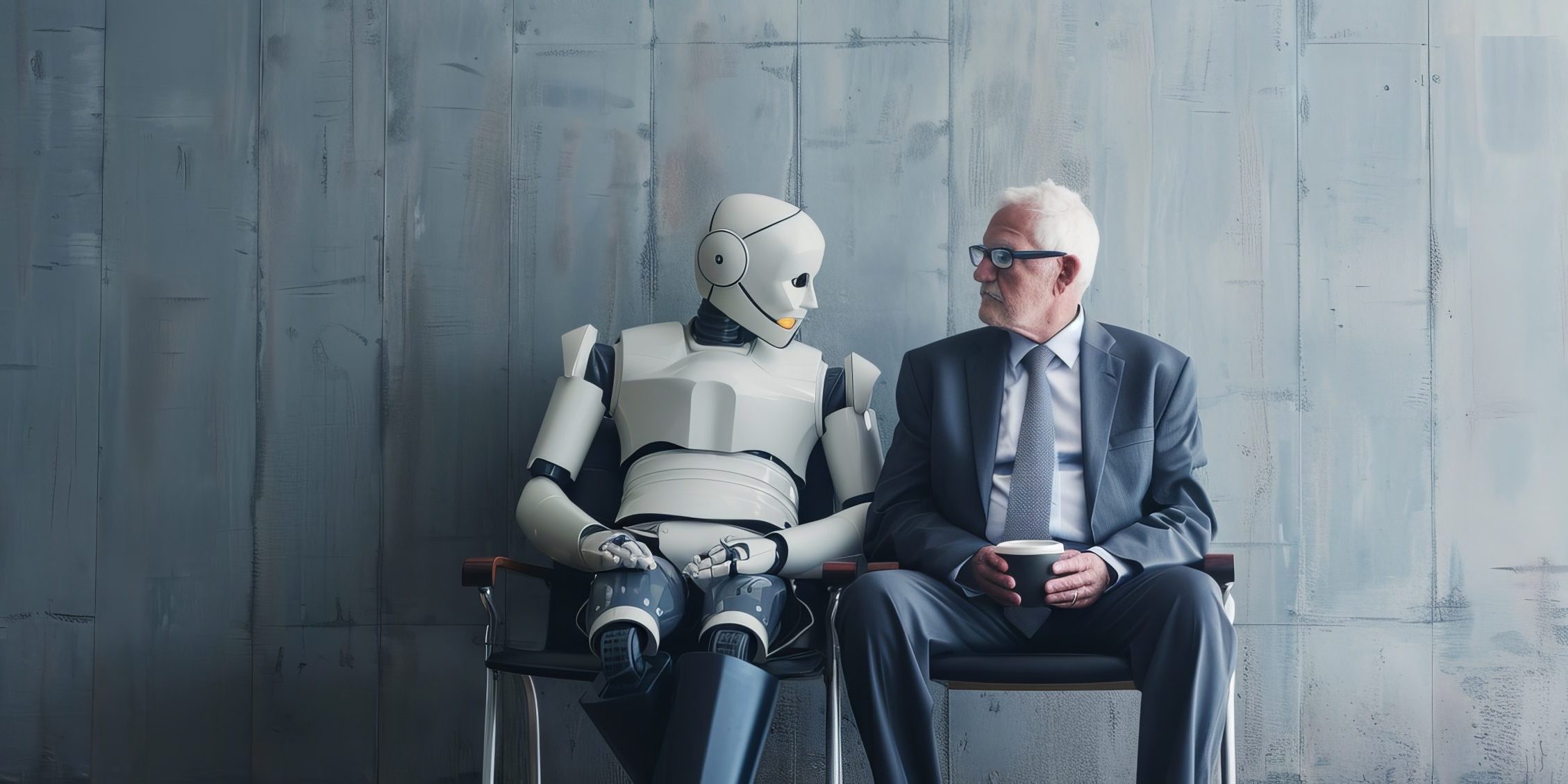
An expensive cordless drill can make quick work of a difficult project, but you would not use it to hammer in a nail when a hammer is the right tool. Artificial intelligence (AI) can be just as powerful in the workplace, helping you analyze information, streamline tasks, and get more done. Problems arise when you treat AI as a substitute for judgment rather than a tool that requires direction. Without understanding its limitations, you can create legal issues involving employees, customers, confidential information, and the workplace environment.
As AI becomes part of your daily business operations, you need to understand where legal exposure can arise and how to reduce it. This article examines discrimination and bias, employee privacy, intellectual property, data security, unauthorized use of AI, and ethical concerns. First, though, it helps to understand why these issues deserve your attention before an AI-related problem lands on your desk.
Why Should You Consider the Legal Challenges of Using AI in the Workplace?
AI can influence decisions that affect employees, customers, and the company without making its reasoning obvious. A tool that appears efficient can still create legal trouble if it relies on biased information, collects data improperly, or handles confidential material carelessly. You also remain responsible for how your workplace uses technology, even when an outside vendor supplies the AI system.
Identifying potential problems before implementation can help you avoid costly disputes and compliance headaches. With that foundation in place, you can look more closely at the specific challenges ahead.
What Are the Legal Challenges of Using AI in the Workplace?
The risks associated with workplace AI are not limited to the technology itself. Much depends on how you select, configure, monitor, and govern the tools your employees use. Five areas deserve particular attention.
1. Algorithmic Discrimination and Bias
Recruitment, performance management, and promotion decisions made with the aid of AI may be based on patterns learned from the algorithm’s training data. Examine them for discriminatory outcomes, ensure that key employment decisions are reviewed by a human, and ask app vendors about their technology’s development and testing.
2. Employee Privacy & Workplace Surveillance
AI can make it possible to monitor much more broadly at work, whether through communications, activity, recordings, or even biometric data. Give appropriate notice, obtain appropriate consent, limit data collection, and prevent practices that may violate privacy, biometric, and wage-and-hour laws.
3. Intellectual Property and Data Security
Incorporating sensitive information, such as trade secrets, client data, source code, or other proprietary details into an AI system can also present privacy and security concerns. Establish a policy on employee submissions, implement business-standard systems and security measures, and incorporate ownership, security, and liability provisions into vendor agreements.
4. Shadow AI and Weak Governance
The convenience and widespread availability of AI tools may encourage your employees to use them, even when the company has not approved them. This can result in unexpected technology problems within your company. It is important to have a written AI policy to clarify what is and is not permitted in the workplace. Ensure that staff know how to recognize risks and keep rules up to date with changing technology, legal requirements, etc.
5. Ethical Use of Artificial Intelligence
Legal requirements are just one aspect of good AI governance. Another aspect to take into account is the transparency, fairness, and consistency of your use of AI, which aligns with your customers’ and employees’ expectations. Define realistic ethical guidelines and acceptable uses, and enable key stakeholders to voice their concerns about AI’s impact on people.
Addressing these challenges before they become problems is far easier than untangling an AI-related dispute after the fact. Because the legal landscape surrounding workplace technology continues to develop, getting reliable advice before you implement or expand an AI system can be a smart business decision.
You do not need to become a lawyer to use artificial intelligence responsibly, but you do need to understand where your business could face legal exposure. A qualified business/corporate law attorney can help you evaluate AI policies, employment practices, contracts, privacy concerns, intellectual property issues, and other risks based on how your company uses these tools. The team at Christman Attorneys can help you identify potential problems early and develop practical safeguards that fit your business.
Call Christman Attorneys for Your Legal Needs Today!
Are you looking for business and corporate law services? Christman Attorneys is your premier choice, as we were voted Best Business Law Firm in Denton County. Senior Partner Drew Christman leads the law firm’s Business/Corporate division and has been consistently voted Best Business Attorney in Denton County. With years of experience and a deep understanding of the legal landscape, our skilled team is dedicated to helping businesses navigate complex legal matters.
Consult an attorney for advice about your situation. The material on this website and in this or any blog article we publish is for informational purposes only. It does not constitute legal advice. The team at Christman Attorneys believes in tailoring legal advice and solutions to your circumstances.
We have an unwavering commitment to supporting our clients at every stage of their legal matters.