
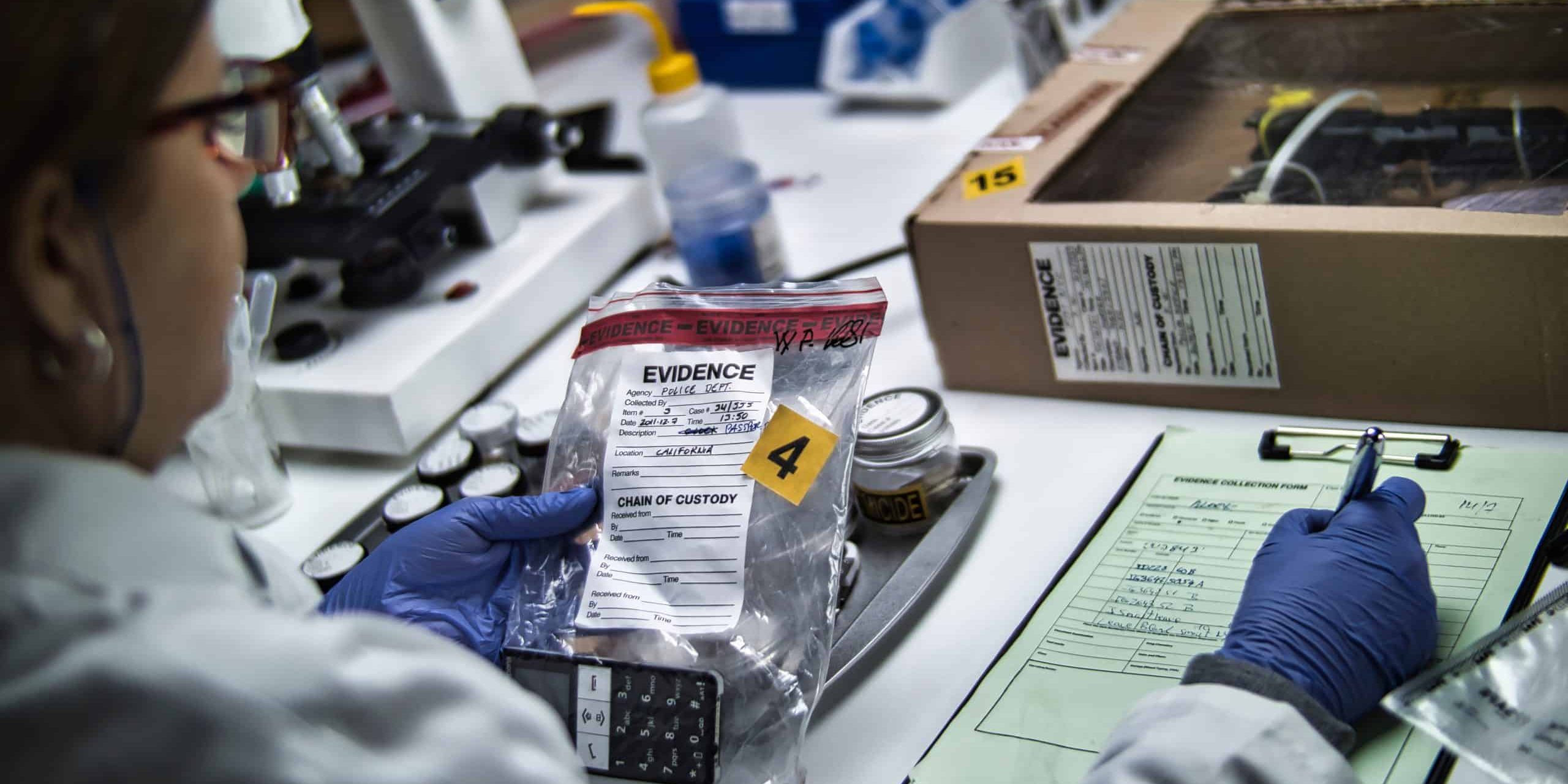
Many people are surprised to learn that law enforcement cannot simply search a person, vehicle, home, or personal property whenever they choose. They also can’t take your stuff as evidence. Both the United States Constitution and state laws provide important protections against unreasonable searches and seizures.
When evidence is obtained improperly, it may affect what can be used against a defendant in court. Understanding these rights is an important part of any criminal case and can significantly impact the outcome.
What Is an Illegal Search or Seizure?
In general, law enforcement officers must have legal authority to conduct a search. Depending on the circumstances, this may include a valid search warrant, probable cause, consent, or another recognized exception under the law.
An illegal search or seizure occurs when a person’s private property is searched without reason or consent, and evidence is obtained or seized. This is a direct violation of an individual’s constitutional rights.
Examples may include:
- Conducting a search without a warrant when one is required
- Exceeding the scope of a search warrant
- Searching property without valid consent
- Stopping or detaining someone without sufficient legal justification
- Improperly searching a vehicle, phone, or other personal belongings
Every situation is unique, and whether a search was lawful often depends on the specific facts of the case.
Why Does It Matter?
Evidence plays a critical role in criminal proceedings. Prosecutors frequently rely on physical evidence, electronic records, statements, and other materials to support their case. If that evidence was obtained unlawfully, the defense may have an opportunity to challenge whether it can be used in court. In some cases, exclusion of that improperly obtained evidence can significantly impact the prosecution’s case.
That is why it is important for individuals facing criminal charges to discuss the circumstances surrounding any search or seizure with their attorney as early as possible.
The Exclusionary Rule
One of the primary legal remedies for an unlawful search is known as the exclusionary rule. This legal principle generally prevents evidence obtained in violation of constitutional protections from being introduced at trial. Additionally, evidence discovered as a result of an unlawful search may also be challenged in certain circumstances.
Courts carefully examine how the evidence was obtained and whether any exceptions apply before making a determination. It is important to remember that the exclusionary rule does not automatically apply in every case.
Courts must evaluate the facts, applicable law, and procedural requirements before deciding whether evidence should be suppressed.
Filing a Motion to Suppress
When there is reason to believe evidence was obtained illegally, an attorney may file a motion to suppress. This is a formal request asking the court to exclude certain evidence from consideration during the case.
During a suppression hearing, both sides may present testimony, documents, and legal arguments regarding the circumstances surrounding the search. The judge will then determine whether the evidence may be admitted.
A successful motion to suppress can have a significant impact on a criminal case. Depending on the evidence involved, it may result in reduced charges, dismissal of certain allegations, or changes in plea negotiations.
Important Information to Share With Your Attorney
If you believe your rights were violated, it is helpful to document as much information as possible. Details that may be important include:
- When and where the search occurred
- Whether officers presented a warrant
- What property was searched or seized
- Whether consent was requested or provided
- The names of any witnesses present
- Any statements made by law enforcement officers
Even details that seem insignificant may prove valuable when evaluating whether a search complied with legal requirements.
Do Not Assume the Search Was Lawful
Many individuals assume that if they were arrested or charged, law enforcement must have followed the proper procedures. However, questions regarding searches and seizures arise more frequently than people realize.
Because the law in this area can be complex, it is important not to make assumptions about whether evidence will be admissible. An experienced criminal defense attorney can review the facts, identify potential constitutional issues, and determine what legal remedies may be available.
Call Christman Attorneys for Your Legal Needs Today!
Christman Attorneys has been voted as one of the Top 3 Law Firms in Denton County, and we have handled numerous civil and criminal disputes. Our seasoned attorneys are here to advocate for and protect your interests.
Please consult an attorney for advice about your situation. The material on this website and in this or any blog article we publish is informational in nature and is not a substitute for personalized legal advice. The team at Christman Attorneys believes in tailoring legal advice and solutions to your circumstances.
We have an unwavering commitment to supporting our clients at every stage of their legal matters.