
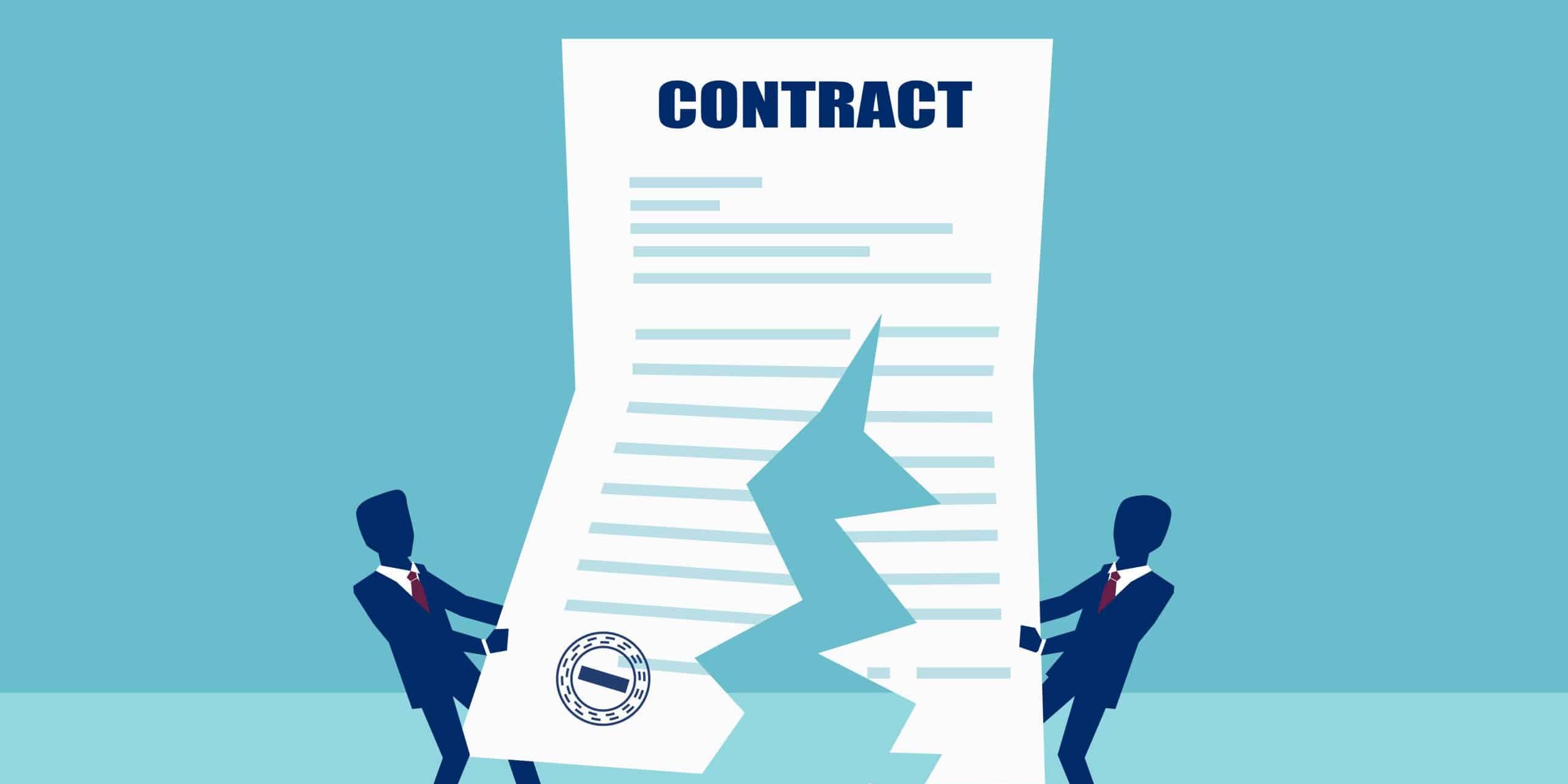
There comes a point in some contracts when staying in them no longer makes sense. Maybe expectations are not being met. Maybe the situation has changed. What starts to weigh on people, though, is not just how to get out, but what might happen next. The concern becomes whether ending the contract will trigger a lawsuit.
Contracts are generally in place for good reason. Therefore, one of the most common mistakes when ending a contract is doing so too quickly. That is why most contracts often include very specific instructions for gracefully ending the relationship. After all, a person may have a valid reason for walking away, but what initially seemed justified can suddenly become labeled as wrongful termination by one party.
It often pays in the long run to seek a graceful way out of a contract; perhaps by looking to the contract itself.
Start with the Language of the Contract Itself
The safest place to begin is the contract itself. Many agreements provide built-in exit paths. The actual language in the contract itself can provide a way out. For instance:
- Termination for Convenience: In some contract agreements, each party may terminate the arrangement upon proper advance notice.
- Termination for Cause: This often requires a period for the other party to correct the issue before the contract can be terminated.
- Method of Delivering Notice: Sending a message the wrong way, even with good intent, can be a wrong move.
When the Contract Does Not Provide a Clear Answer
There are also options when the contract does not provide clear language for ending it.
- Material Breach: If one party fails to perform a key obligation that defeats the purpose of the agreement, that may rise to the level of a material breach. The breach must be material enough to justify termination, and wrongful termination is still possible if misjudged.
- Impossibility or Impracticability: Circumstances outside anyone’s control can make performance unrealistic or even impossible.
- Statutory Right to Cancel: In limited situations, Texas state law provides short windows to cancel certain types of agreements, such as some consumer transactions.
These paths are not always straightforward, but they can offer options when the contract is silent. Even when the law does not provide a way out, there are still ways to end a contract without resorting to litigation.
Ways to Resolve Things Without Going to Court
Not every contract dispute needs to turn into a fight. There are some practical solutions to avoiding a court battle.
- Reach an Agreement: Agree to end things on mutual terms. A written release signed by both sides can bring closure and reduce the risk of future claims.
- Mediation: Mediation is another option that allows both parties to work through the issue with a neutral third party, often at a lower cost than litigation.
- Termination Fee: There are also times when paying an agreed-upon termination fee makes more sense than a costly court battle or continuing in a contract that no longer works.
Ending a contract is not always simple, but with careful attention to the agreement and a steady, informed approach, it is often possible to move forward without inviting unnecessary conflict.
Call Christman Attorneys for Your Legal Needs Today!
Are you looking for business and corporate law services? Christman Attorneys is your premier choice, as we were voted Best Business Law Firm in Denton County. Senior Partner Drew Christman leads the law firm’s Business/Corporate division and has been consistently voted Best Business Attorney in Denton County. With years of experience and a deep understanding of the legal landscape, our skilled team is dedicated to helping businesses navigate complex legal matters.
Consult an attorney for advice about your situation. The material on this website and in this or any blog article we publish is for informational purposes only and does not constitute legal advice. The attorneys at Christman Attorneys believe in tailoring legal advice and solutions to your circumstances.
We have an unwavering commitment to supporting our clients at every stage of their legal matters.