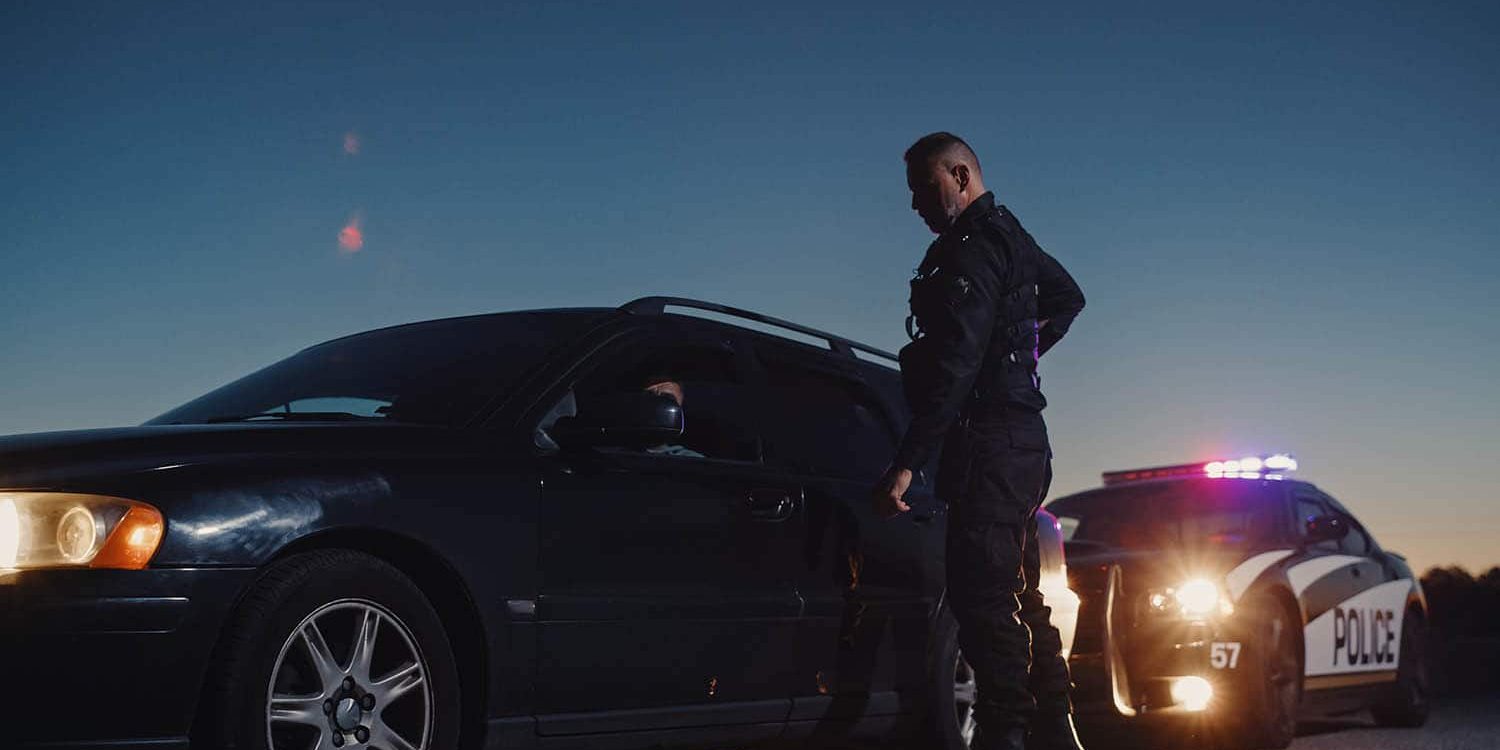
A person is driving in the middle of the road late at night and draws the attention of a patrol officer. Upon stopping the vehicle, the officer observes empty bottles on the seat and the smell of alcohol. In the blink of an eye, the driver is arrested for DWI. This is what’s known as probable cause. But what does that mean, exactly?
This topic of probable cause comes up more often than people realize. Understanding how this standard works can make a real difference when your rights are on the line.
The Definition of Probable Cause
Probable cause is not a mere feeling that something is wrong. It is a legal requirement that an officer must meet before they can initiate a warrantless search or arrest. The standard involves objective facts that would lead any reasonable person to conclude that criminal activity is involved.
For law enforcement officers, it allows officers to act when circumstances point toward dangerous wrongdoing.
This foundation must include at least some of the following factors.
Sensory Observations
What an officer personally sees, hears, or smells can carry significant weight. The odor of alcohol or the sight of contraband in plain view often becomes a key factor.
Credible External Data
Witness or informant statements may support probable cause, provided the sources are deemed reliable and specific.
An Individual’s Statements
Whenever an individual confesses to a behavior, this confession can be used to justify a search.
Behavior and Context
Abnormal behavior, particularly in relation to the circumstances, can reinforce an officer’s reaction.
Why Probable Cause Matters
Beyond the information above, probable cause is an important safeguard against unlawful searches and arrests. The Fourth Amendment to the U.S. Constitution protects individuals from unreasonable searches and seizures, and the probable cause standard helps enforce that protection.
For instance, if law enforcement officers arrest someone or conduct a search without sufficient probable cause, the evidence they gather may be challenged in court or excluded entirely. This could significantly affect the outcome of a case. Courts will review all aspects of an officer’s actions; even small details about what they observed or how they interpreted a situation can become important when determining whether probable cause actually existed.
When there is any uncertainty about whether probable cause was actually present, it is important to take that seriously. Questions about how an officer reached that decision can affect the entire case. Speaking with a trusted criminal defense attorney, such as Christman Attorneys, as early as possible can clarify what happened and help protect your rights.
Call Christman Attorneys for Your Legal Needs Today!
Christman has been voted as one of the Top 3 Law Firms in Denton County, and we have handled numerous civil and criminal disputes. Our seasoned attorneys are here to advocate for and protect your interests.
Please consult an attorney for advice about your situation. The material on this website and in this or any blog article we publish is informational in nature and is not a substitute for personalized legal advice. The attorneys at Christman believe in tailoring legal advice and solutions to your circumstances.
We have an unwavering commitment to supporting our clients at every stage of their legal matters.